


How to Maintain and Extend the Life of Your Salt Cell
The complete Australian pool owner’s guide to preventing scale, cleaning correctly, and keeping your chlorinator running efficiently.
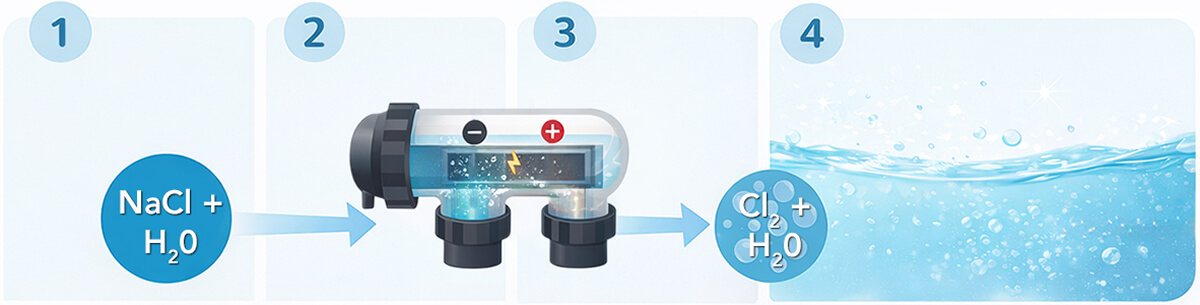
Saltwater pools are popular across Australia for their consistent sanitation, softer-feeling water, and reduced day-to-day chemical handling. At the centre of every saltwater system is the salt cell (electrode) — the component that converts dissolved salt into chlorine through electrolysis.
Salt cells are built to last, but like all working components, they gradually wear over time. With correct water balance, careful cleaning, and sound electrical connections, most salt cells deliver many years of reliable service. This guide explains how to maximise performance, reduce unnecessary wear, and recognise when replacement makes sense.
How a Salt Cell Works and Why Maintenance Matters
As pool water flows through the salt cell, a low-voltage electrical current converts salt into chlorine. During this process, the pH around the plates temporarily rises, which makes calcium scale more likely to form on their surface.
If scale is allowed to build up, it can:
- Reduce chlorine output
- Restrict water flow
- Increase load on the power supply
- Gradually shorten cell lifespan
Good maintenance focuses on preventing scale, cleaning only when required, and keeping electrical connections in good condition.
Ideal Water Balance for Salt Cell Longevity
Because salt cells operate in a high-pH, high-energy environment, overall pool water balance plays a direct role in how quickly scale forms and how hard the cell has to work. Even a well-designed salt cell will wear faster if the surrounding water chemistry is unstable.
Balanced water is the single most important factor in extending salt cell life. When key parameters are kept within sensible ranges, scale forms more slowly, chlorine production remains efficient, and the cell is not forced to operate at higher outputs for longer periods.
Recommended operating ranges for most Australian salt pools
- pH: 7.2 – 7.6
- Total Alkalinity: ~80 – 120 ppm
- Calcium Hardness: keep controlled, especially in hard-water areas
- Salt level: as specified by your chlorinator manufacturer
Keeping these values stable slows calcium scale formation and allows the salt cell to produce chlorine efficiently without being overworked.
Tip: Regular professional water testing helps maintain consistency and reduces the need for corrective treatments later, which also limits unnecessary stress on the salt cell.
Practical Maintenance Schedule
Water balance does most of the heavy lifting, but a simple routine helps you catch scale early and avoid unnecessary cleaning. The goal is consistency: quick checks that prevent small issues from becoming performance problems.
Weekly
- Check the chlorinator display for alerts
- Confirm pump run time and output match current pool use
Every 2 months
- Visually inspect the salt cell
- If the plates look clean, no action is required
Every 3–6 months
- Remove the cell and inspect internally
- Clean only if calcium scale is visible
Seasonal adjustments
- Reduce output during cooler months
- Avoid running the cell harder than necessary when chlorine demand is low
How to Inspect Your Salt Cell Correctly
Regular inspection helps you decide whether cleaning is needed — and often confirms that no action is required at all.
- Turn off power to the pump and chlorinator at the breaker
- Undo the unions and remove the cell
- Look through the plates using daylight or a torch
What you may see:
- White, chalky or flaky deposits: calcium scale — cleaning may be required
- Clear plates: no cleaning needed
- Blue or green residue: may indicate metals in the water or coating wear

The image compares a heavily scaled salt cell with a clean cell after proper maintenance. If your plates look like the clean example on the right, refit the cell and resume normal operation.
While the cell is removed: check electrical connections
Any time the salt cell is disconnected — for inspection or cleaning — it’s the ideal moment to check the condition of the leads and terminals.
- Terminals clean and free from corrosion
- Connections fit firmly with no looseness
- No exposed or damaged wiring
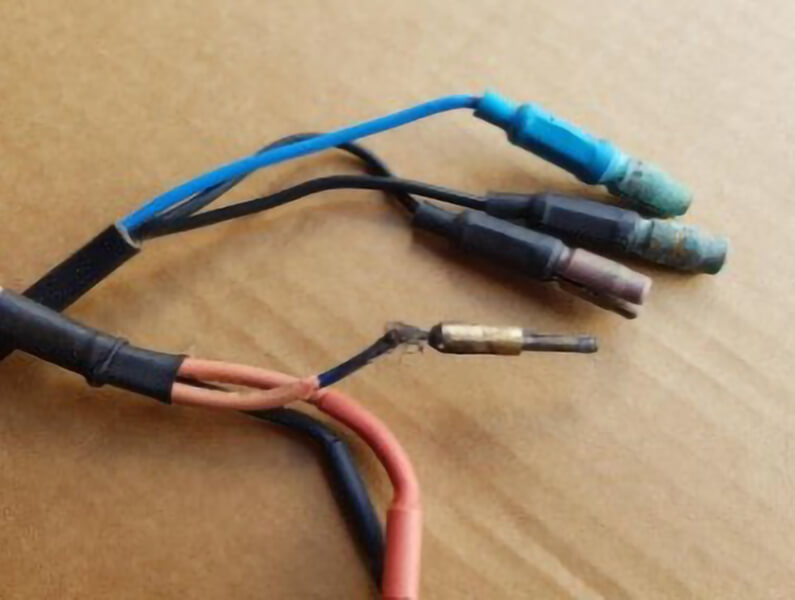


Loose or corroded connections can generate heat. Mild warmth during operation is normal; connectors that are too hot to touch indicate a fitting issue that should be corrected.
Cleaning Your Salt Cell (Best Practice)
If inspection shows calcium scale on the plates, cleaning helps restore performance. Cleaning should be done carefully and only as often as needed.
Step 1: Start with a water rinse
If buildup is light, a strong garden hose rinse is often enough.
Step 2: Use a dedicated salt cell cleaner (preferred)
Purpose-made cleaners are easier to control and reduce unnecessary exposure to harsh chemicals. Follow product instructions carefully.
Step 3: Acid cleaning (only if allowed by the manufacturer)
If acid cleaning is recommended for your cell:
- Wear gloves, goggles, and enclosed footwear
- Always add acid to water, never water to acid
- Typical soak time: 5–15 minutes
- Rinse thoroughly with fresh water after cleaning
Frequent or unnecessary acid cleaning accelerates wear on the plate coating. Inspect regularly, clean only when scale is present.
Reinstallation checks
- Refit the cell, ensuring correct flow direction
- Hand-tighten unions only — tools can damage plastic fittings and seals
- Confirm correct polarity (positive and negative leads correctly connected)
- Restart the system and allow it to run for around 10 minutes

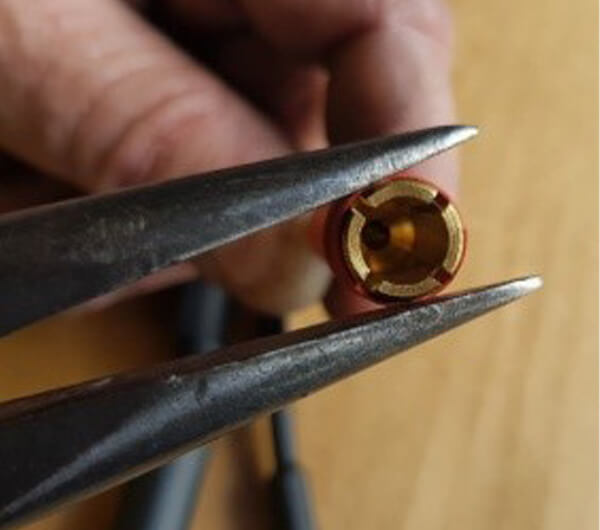


After start-up, briefly feel the connectors. A mild warmth is normal. Excessive heat indicates a connection issue that should be addressed.
Proven Ways to Extend Salt Cell Life
Salt cell longevity depends on consistent water balance, regular inspection, and cleaning only when required. These factors work together to reduce wear and maintain reliable chlorine production.
The following practices summarise the key factors that help minimise unnecessary wear on the cell:
- Maintain stable pH to reduce scale formation and allow efficient chlorine production
- Keep alkalinity and calcium levels under control to limit mineral deposits on the plates
- Avoid overworking the cell by using the lowest output and run time that maintains stable chlorine
- Maintain correct salt levels — low salt strains the cell, while excessive salt increases electrical load
- Use stabiliser appropriately to protect chlorine from sunlight and reduce overall workload
- Inspect regularly and clean only when scale is present — unnecessary cleaning shortens cell life
- Periodically check electrical leads and terminals to ensure connections remain clean, firm, and correctly fitted
Taken together, these habits significantly reduce scaling, overheating, and premature plate wear.
When to Replace Your Salt Cell and Choose the Correct Replacement
Even with excellent maintenance, salt cells are consumable components and will eventually reach the end of their service life. Replacement becomes the sensible option when performance no longer recovers after normal maintenance.
You may be approaching replacement time if:
- Chlorine output remains low despite balanced water and a visibly clean cell
- The chlorinator reports low salt even when salt levels are confirmed correct
- The plate coating appears worn, patchy, or damaged
- The cell is in the later years of its typical service life
Beyond this point, continued cleaning or troubleshooting rarely restores normal performance, and replacement is generally required.
When selecting a replacement salt cell, matching the correct specification is the key to reliable operation. Check:
- Chlorinator brand and model
- Number of plates
- Self-cleaning / reverse polarity requirements
- Genuine or compatible replacement preference
Using the correct specification helps avoid fitment issues and restores normal chlorine production quickly.
Final Thoughts
A well-maintained salt cell is central to a clean, comfortable, and low-effort pool. With balanced water, regular inspection, careful cleaning, and secure electrical connections, most salt cells provide many years of dependable service.
When replacement eventually becomes necessary, selecting the correct cell helps restore reliable chlorine production and long-term performance. You can browse our full range of replacement pool chlorinator salt cells and electrodes, including genuine and compatible options for most major Australian chlorinator brands.
